Many homeowners think about wind mitigation only when an insurance company asks for a report. That is understandable, but the inspection can also tell you a lot about how your home is likely to perform in a storm.
In Florida, the small construction details matter.
Roof Covering
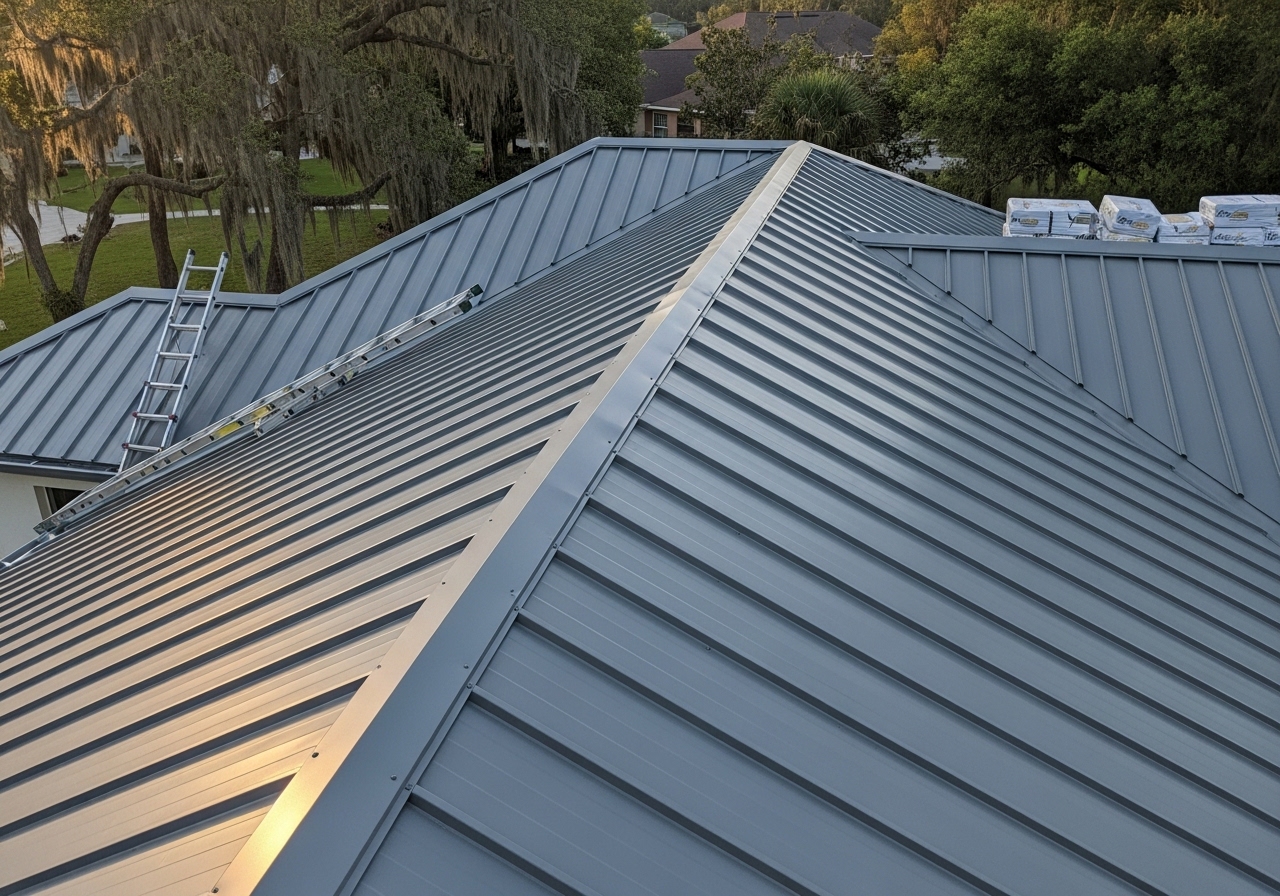
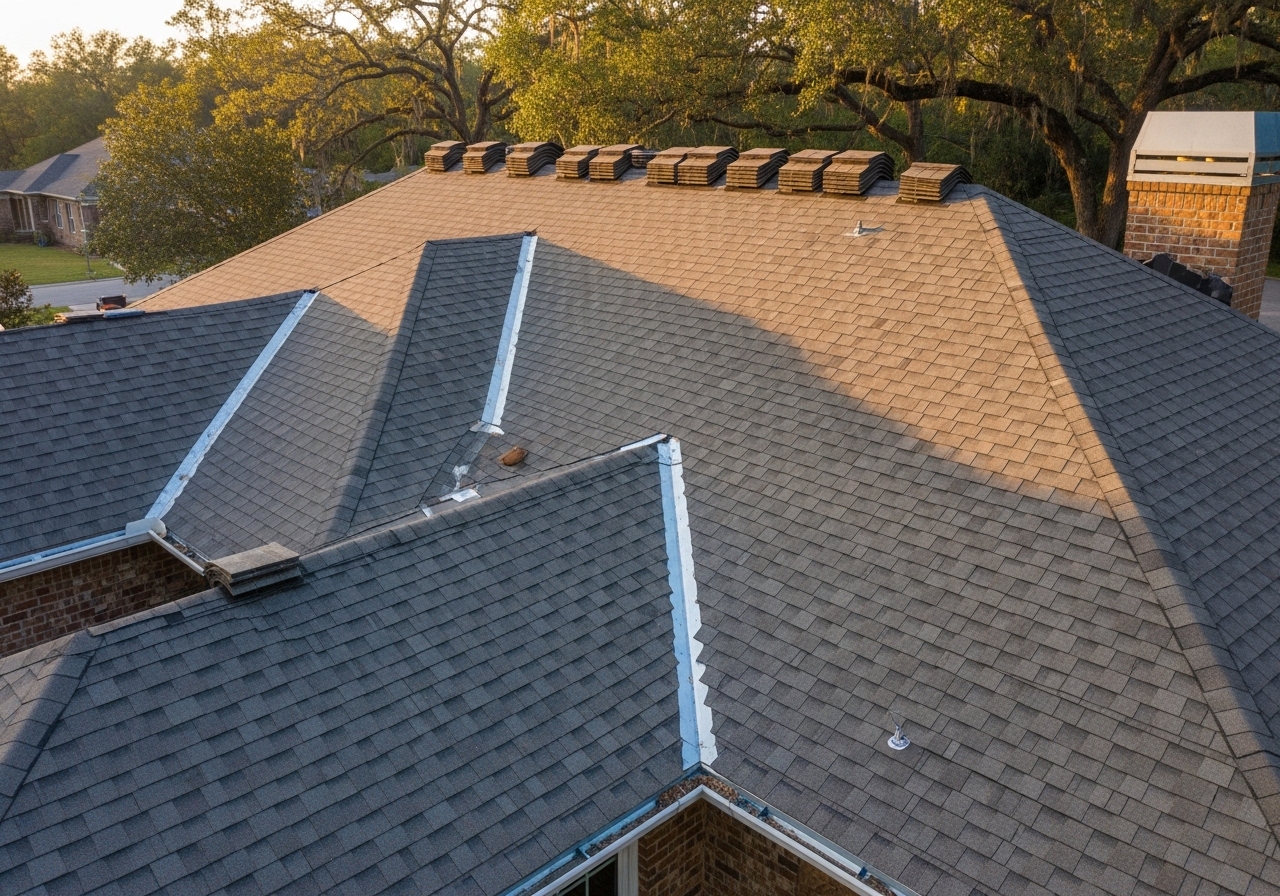
The report documents the roof covering type and age. For homeowners, this helps establish whether the current roof system still lines up with insurance expectations and storm exposure.
Roof Deck Attachment
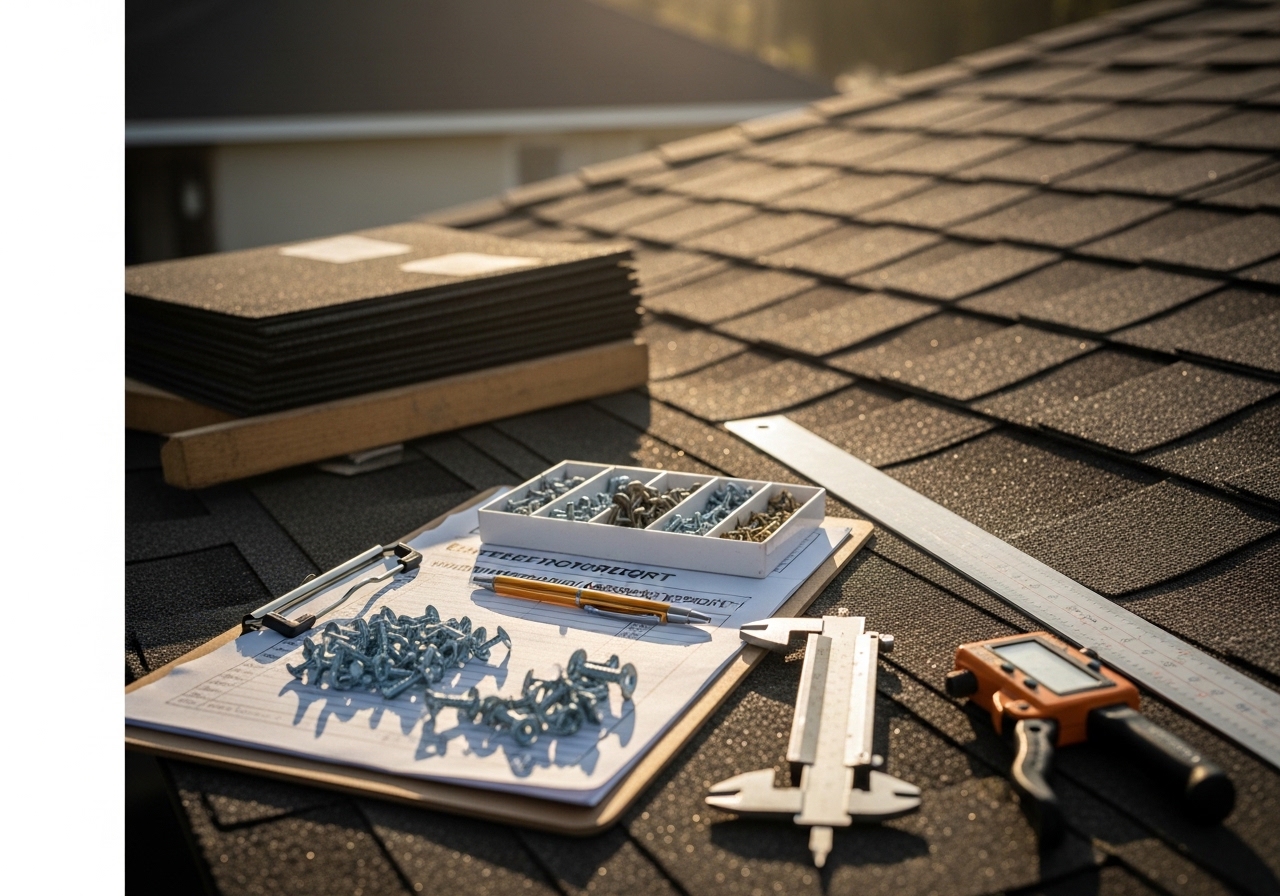
How the roof deck is attached to the framing affects wind resistance. Better attachment can reduce the chance of uplift during severe weather. If the attachment is weak or outdated, the report helps you understand the risk.
Roof-to-Wall Connection
This detail shows how the roof structure is connected to the walls. Clips, straps, and other connectors can improve storm performance. The inspection documents what is visible and applicable.
Secondary Water Resistance
Secondary water resistance can help reduce water intrusion if the roof covering is damaged. Not every home has it, and not every roof project includes it by default. It is worth discussing during replacement planning.
Why It Matters
A wind mitigation report can sometimes help with insurance discounts, but we see another benefit: clarity. You know which parts of the roof system are strong, which parts are older, and what to prioritize before the next storm season.
If you are already planning roof work, ask about wind mitigation at the same time. It is easier to make smart upgrades while the roof is open than after the job is complete.